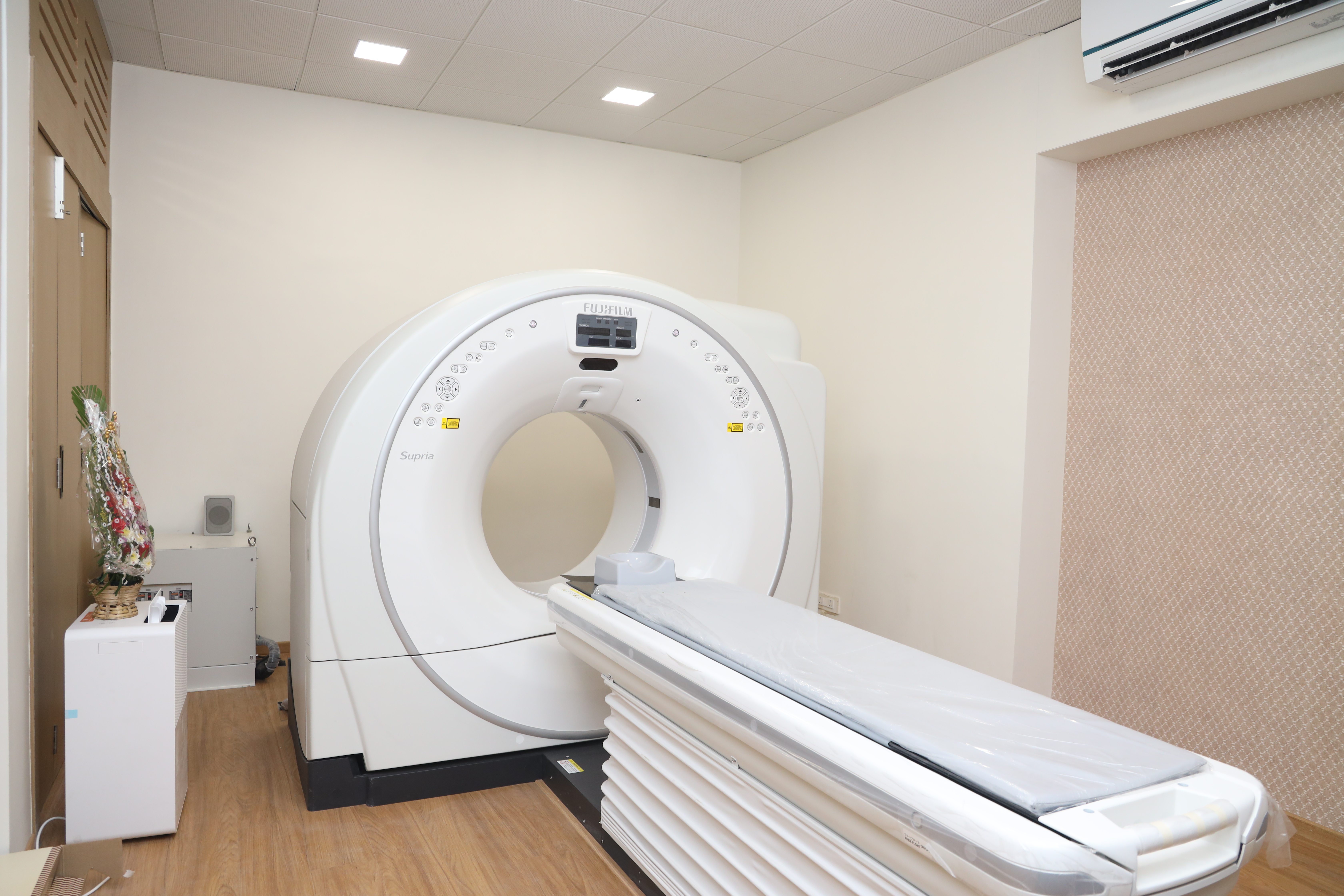
When a doctor recommends a scan, patients often wonder: Why MRI and not CT? Or CT and not MRI? Both are advanced imaging modalities used at AV Scan Diagnostics in Dadar West, Mumbai — but they work very differently and are best suited to different clinical questions. Here's a clear guide.
How Do They Work?
MRI (Magnetic Resonance Imaging)
MRI uses a strong magnetic field and radio waves to create detailed images of the body's internal structures. There is no radiation involved. It is particularly good at imaging soft tissues — the brain, spinal cord, nerves, muscles, tendons, ligaments, and abdominal organs.
CT (Computed Tomography) Scan
CT uses X-rays taken from multiple angles, processed by a computer to create cross-sectional images. It is faster than MRI and excellent for visualising bones, the chest (lungs), acute bleeding, and vascular structures. It does involve a small dose of radiation.
AV Scan offers both — our Fujifilm Echelon Smart MRI and Fujifilm Supria CT, with every scan reported by our panel of sub-specialty radiologists.
When is MRI Better?
- Brain conditions — stroke (especially early ischaemic stroke), tumours, MS, epilepsy, dementia
- Spinal conditions — disc prolapse, nerve compression, spinal cord assessment
- Joint injuries — ACL tears, rotator cuff, meniscus, cartilage
- Breast assessment — cancer staging, implant integrity, high-risk screening
- Pelvic conditions — uterus, ovaries, prostate cancer staging
- Liver lesion characterisation — dynamic contrast MRI can distinguish haemangioma from metastases
- Fetal assessment — fetal brain and body when ultrasound is inconclusive
- When avoiding radiation is important — children, pregnant women (second/third trimester), repeated follow-up imaging
When is CT Better?
- Chest / lung conditions — HRCT for interstitial lung disease, COVID-19 assessment, lung nodules, pulmonary embolism
- Trauma and emergency — CT is much faster and can quickly assess internal bleeding, organ injury, fractures
- Bone assessment — fractures, bone tumours, complex joint anatomy
- Vascular imaging — CT angiography for coronary arteries, aorta, carotid arteries, peripheral vessels
- Abdominal assessment — bowel obstruction, appendicitis, kidney stones, lymph nodes
- Sinuses — pre-surgical planning for ENT
- CT-guided biopsy — performed by our interventional radiologist
Key Differences at a Glance
- Radiation: MRI — none; CT — low dose (ALARA protocol at AV Scan)
- Speed: CT — 5–15 minutes; MRI — 20–45 minutes
- Noise: CT — quiet; MRI — louder (AV Scan's Fujifilm MRI uses SmartCOMFORT noise reduction, up to 96%, manufacturer figure)
- Best for: MRI — soft tissue; CT — bone, chest, vascular, emergency
- Cost: We confirm the exact price on WhatsApp before you travel
Which Should You Choose?
The decision is best made by your referring doctor based on your symptoms, clinical history and what they need to know. If you are unsure, call or WhatsApp AV Scan at +91 98200 51511 and our team will advise you based on your doctor's clinical note.
AV Scan Diagnostics in Dadar West, Mumbai offers both advanced MRI and CT scanning, with every scan reported by our panel of sub-specialty radiologists — ensuring you get the right investigation interpreted by a specialist.